Applied Generative AI Engineering
Applied Generative AI Engineering Program is a six-month generative AI engineering journey: sixteen weeks of instructor-led training built around seven progressive capability modules, followed by a two-month real industry project phase. A six-month Employment Training Programme is available after that as an add-on, for learners who meet the program's completion criteria. It carries learners from an accurate, no-code understanding of how generative AI actually works through to designing, evaluating, securing, and deploying production-grade multi-agent systems on AWS enterprise cloud infrastructure.

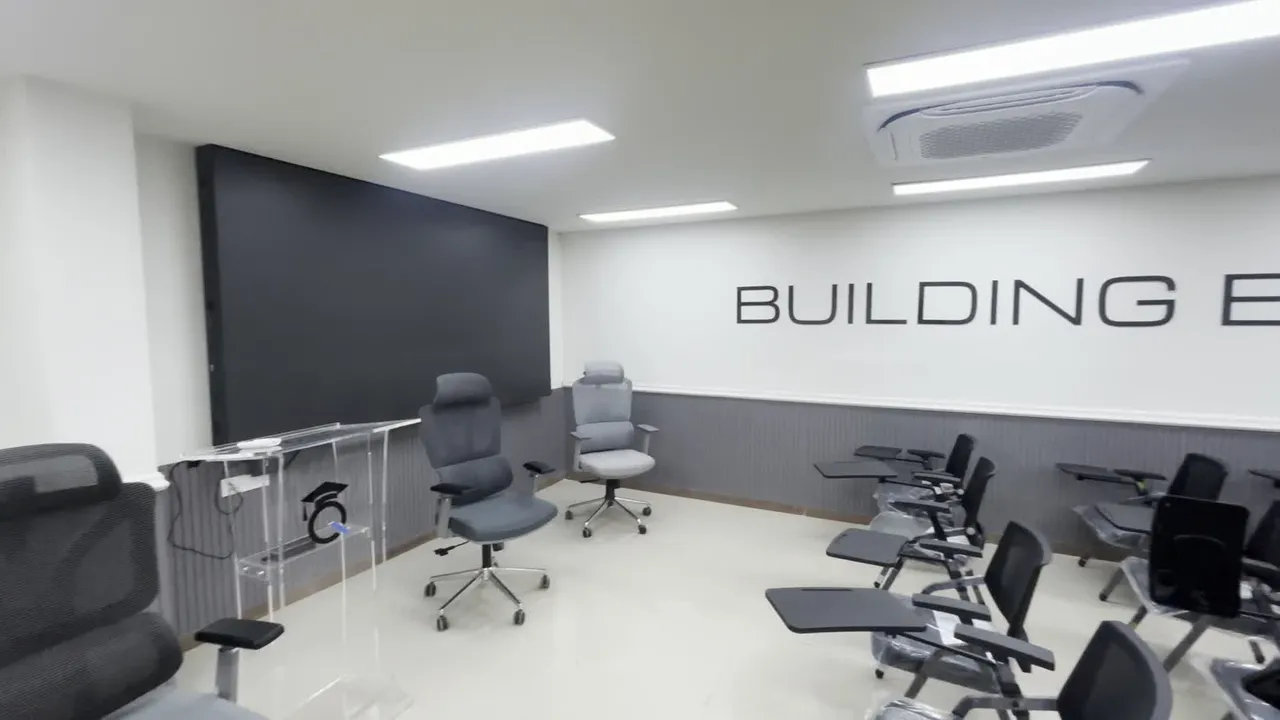
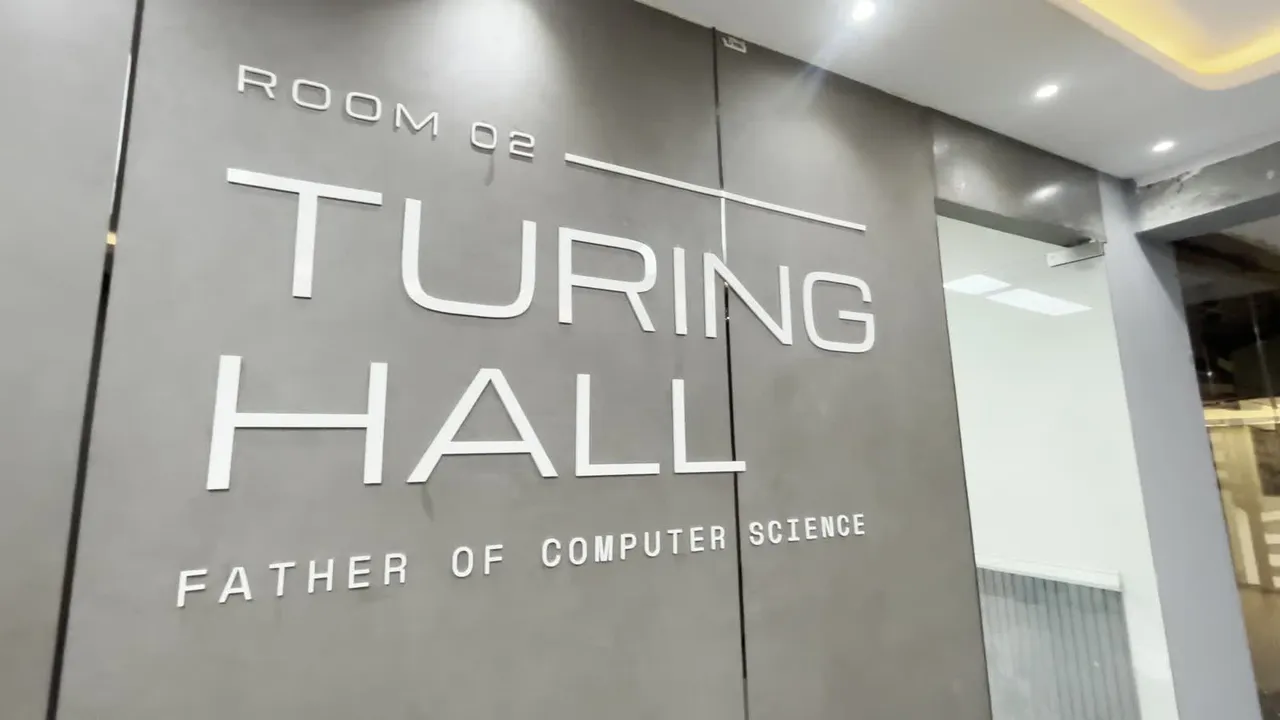
Taught in person at Jubilee Hills, Hyderabad. How to reach us
The curriculum
Foundation
No prior generative AI or programming experience is assumed at the start. Learners first build a no-code understanding of how generative AI systems work, then progressively develop the Python foundations required specifically for GenAI application engineering, from core programming concepts through APIs, asynchronous execution, and production-oriented backend services. This foundation supports every advanced engineering stage that follows.
Applied Engineering
The core engineering build-out: cloud infrastructure, enterprise knowledge retrieval, rigorous evaluation, layered safety architecture, and progressively capable agentic systems.
Enterprise & Production
Production discipline and integration: deliberate context engineering, monitored deployment, and a two-week capstone that ties every capability into one enterprise-grade platform.
Week by week
Sixteen teaching weeks in eight modules. Open a week to see its focus, the learning areas, the applied exercise and the professional outcome.
Model Literacy & Instruction Engineering
Building an accurate mental model of generative AI, then developing professional-grade skill in structuring and reasoning with prompts.
FocusEstablish an accurate, non-technical understanding of how generative AI systems actually behave: the shared vocabulary the rest of the program builds on. No programming background required.
Key learning areas- Probabilistic generation versus deterministic software logic
- How a model predicts and completes patterns from context
- Tokens and context windows, and the practical limits of what a model can see
- The current foundation-model landscape: open versus closed, frontier versus efficient
- Where generative AI genuinely helps, and where it does not
- Hallucination and non-determinism: reading model output with informed scepticism
A guided, no-code exploration comparing how different prompts and models respond to the same real-world business scenario.
Learners can explain, in plain business language, what a generative AI system is doing under the hood, and can identify appropriate versus inappropriate use cases.
FocusLearn the structural mechanics that separate a reliable, parseable prompt from a fragile one, before any advanced reasoning technique is introduced.
Key learning areas- Prompt anatomy: system instructions, user turns, assistant priming, role and persona design
- Zero-shot and few-shot prompting with curated examples
- Structured output control for downstream parsing (JSON, XML, markdown)
- The COSTAR framework for consistently well-formed prompts
- Core prompt patterns: extraction, classification, transformation, generation, decomposition
- Iterative refinement: testing, diagnosing, and rewriting
A guided build comparing a plain-instruction prompt against a professionally structured version of the same task, benchmarked for accuracy and reliability.
Learners can design prompts that produce consistent, machine-parseable output rather than one-off lucky results.
FocusMove beyond prompt structure into the reasoning techniques professionals use to make multi-step, genuinely hard problems reliable, and learn to manage prompts as governed production assets.
Key learning areas- Chain-of-Thought reasoning, and when it helps versus hurts
- Tree-of-Thought exploration and backtracking for planning-style problems
- Self-Consistency sampling to reduce hallucination on factual tasks
- Least-to-Most decomposition for genuinely hard, multi-step problems
- Self-Refine critique-and-improve loops
- Versioning, A/B testing, and lifecycle-managing prompts as production assets
An engineering challenge benchmarking multiple reasoning strategies against each other on a genuinely multi-step task, then registering the winning approach as a governed, versioned asset.
Learners can select and justify the right reasoning technique for a given task, balancing accuracy against added latency and cost.
High-Concurrency Application Engineering
Backend engineering fluency, from core Python to asynchronous, fault-tolerant service design, for AI-facing applications.
FocusBuild the Python foundations required specifically for GenAI application engineering, progressing from core programming and object-oriented design through APIs, asynchronous execution, and fault-tolerant service development, culminating in a concurrent, production-oriented AI service.
Key learning areas- Python foundations for GenAI engineering: variables, functions, control flow, collections, and reusable program structure
- Object-oriented Python for maintainable service design
- Core data structures for AI pipelines
- Resilient error handling and file I/O for unpredictable model responses
- Relational data access patterns and connection management
- High-performance API design for AI-facing backends
- Asynchronous programming: event loops, coroutines, parallel tool execution, timeouts and fallback handling
A guided build of an asynchronous API service that orchestrates multiple concurrent operations without blocking, complete with fallback handling under simulated failure.
Learners can build and reason about concurrent, fault-tolerant backend services suitable for production AI workloads.
Cloud-Native AI Infrastructure
Provisioning and securing the AWS cloud platform that every later pipeline in the program deploys onto.
FocusProvision the AWS building blocks that every later pipeline in the program will deploy onto, from storage and networking through to managed AI infrastructure.
Key learning areas- Durable object storage for unstructured data at scale
- Core networking: subnets, routing, and security boundaries
- Serverless container hosting for AI workloads
- Traffic distribution and public API exposure
- Managed foundation-model and agent-runtime services
- Event-driven serverless compute, durable relational state, and least-privilege access design
A guided build provisioning a minimal, complete cloud stack and exposing a working public endpoint.
Learners can independently provision and secure an AWS environment capable of hosting a production AI workload.
Enterprise Knowledge Engineering & Retrieval Assurance
Turning unstructured enterprise documents into a distributed, hybrid-searchable knowledge base, and proving its quality with measurement.
FocusBuild the document-understanding layer that turns messy real-world files into clean, structurally accurate, retrieval-ready text: the foundation every downstream retrieval system depends on.
Key learning areas- Layout-aware parsing of headers, tables, images, and code blocks
- Why naive, fixed-width chunking silently corrupts complex documents
- Structure-aware semantic chunking strategies
- Chunk enrichment: PII detection and redaction before data leaves the pipeline
- Named-entity and key-phrase extraction to support hybrid search
- Designing stable, traceable chunk identifiers
A technical investigation processing a batch of real, messily formatted documents end to end, and comparing the result against a naive baseline.
Learners can design a document-ingestion layer that preserves meaning and structure instead of silently corrupting it.
FocusTurn enriched content into a searchable knowledge base that combines vector similarity with graph relationships, running on distributed infrastructure.
Key learning areas- Embedding model selection and cross-provider compatibility
- Vector storage and indexing strategy trade-offs
- Graph modelling for relationship-aware retrieval
- Hybrid retrieval combining vector, graph, and keyword signals
- Distributed, idempotent processing across asynchronous workers
- Retrieval, re-ranking, and context assembly patterns
A guided build turning a document collection into a distributed, hybrid-searchable knowledge base, then issuing a query that only hybrid retrieval can answer correctly.
Learners can design and operate a retrieval system that goes beyond simple vector lookup to relationship-aware, production-scale search.
FocusReplace guesswork with measurement: build the evaluation layer that turns retrieval and generation quality into a tracked engineering metric.
Key learning areas- LLM-judged quality signals: faithfulness, context relevance, answer relevance
- Deterministic retrieval metrics and ranking-aware scoring
- Experiment logging and visual run comparison
- Building a golden evaluation dataset
- Wiring regression checks into the development workflow
An applied project building a golden evaluation set for a real pipeline and configuring a regression check that catches a quality drop before it ships.
Learners can prove, with numbers, whether a RAG system is actually improving, rather than assuming it is.
Responsible AI & Guardrail Architecture
Designing defence-in-depth safety across input, output, and action layers.
FocusDesign a layered safety architecture so that no single point of failure can produce an unsafe response.
Key learning areas- Deterministic input-layer checks: injection detection, PII handling, domain and toxicity screening
- Output-layer evaluation: faithfulness judging, contradiction detection, confidence-aware disclaimers, safe fallback behaviour
- Action-layer limits: retry and call-count ceilings, execution validation, read-only enforcement
- Managed cloud guardrail services as a complementary layer
- Why safety-critical logic belongs in deterministic code wherever possible
A design exercise implementing all three guardrail layers around an existing pipeline and testing them against a bank of adversarial inputs.
Learners can design a layered safety architecture and demonstrate, with evidence, exactly what each layer catches.
Agentic Orchestration & Memory Systems
From a first tool-using agent, to a layered production middleware stack, to standards-based multi-agent interoperability.
FocusConstruct a first production-style agent: well-designed tools, safe parallel execution, and a human checkpoint before anything destructive happens.
Key learning areas- Agent foundations: composing a model, tools, and orchestration logic
- Parallel tool execution within a single reasoning step
- Tool design principles: each tool owning its own logic and fallback behaviour
- Sanitising tool output before it re-enters the model's context
- Human-in-the-loop checkpoints for sensitive actions
- An introduction to structural context separation as a security boundary
A guided build of a multi-tool agent with a human-approval checkpoint in front of a sensitive action.
Learners can build a tool-using agent that fails safely and pauses for approval where it should.
FocusLayer a full production middleware stack around the Week 10 agent, adding caching and memory without compromising safety.
Key learning areas- Middleware composition: tracing, domain-specific filtering, caching, memory, summarisation, and guardrail layers
- Separating generic infrastructure responsibilities from domain-specific agent logic
- Semantic caching with similarity thresholds calibrated to risk
- Episodic memory: what is worth remembering, and how it re-enters context
- Context compression once a token budget is exceeded
An architecture challenge assembling a layered middleware stack in front of an agent and verifying that caching, memory, and compression behave correctly under load.
Learners can design a middleware stack that makes an agent faster, cheaper, and more consistent without weakening its safety posture.
FocusConnect agents to standardised external tools and to each other, and assemble a validated multi-agent workflow.
Key learning areas- The Model Context Protocol (MCP): a standardised approach to tool and data access
- The Agent-to-Agent (A2A) protocol: agent discovery and cross-framework task delegation
- Supervisor-and-specialist multi-agent patterns
- Validating another agent's output rather than trusting it blindly
- Designing clean boundaries of responsibility between agents
An integration challenge connecting a specialist agent to a planner agent through standardised protocols, including a validation step before any delegated output is used.
Learners can design a multi-agent system where components interoperate safely across frameworks rather than through brittle, custom glue code.
Context Optimisation & Production Intelligence Operations
Engineering the context window deliberately, then deploying and operating the system in production.
FocusTreat every token the model sees as a deliberate design decision, and engineer a context window that stays accurate and affordable over long sessions.
Key learning areas- What belongs in context: instructions, history, memory, retrieved data, and the live question
- Why too little context causes hallucination and too much adds cost and confusion
- Structural separation of instructions, data, and user input as both a design and a security discipline
- Per-section token budgeting and oldest-first truncation
- Context patterns for long-running agent tasks: mid-task injection and compression
A technical investigation instrumenting a multi-agent workflow to track token spend per context section, and verifying that truncation behaves correctly under a long session.
Learners can engineer context windows deliberately instead of letting them grow unmanaged.
FocusDeploy a complete agent system to production infrastructure with monitoring and a quality gate, and close the loop between production and evaluation.
Key learning areas- Production deployment patterns for agent systems
- Wiring regression checks into a deployment gate that blocks unsafe releases
- Feedback loops that route flagged production interactions back into evaluation
- Monitoring latency, cost, and quality drift over time
- What a strong final architecture review looks like
A production scenario deploying a monitored agent endpoint and confirming that a regression gate correctly blocks a deliberately degraded release.
Learners can take a system from working prototype to monitored, gated production deployment.
Capstone Integration Experience
Bringing every module together into one presentable, defensible enterprise platform.
FocusDesign and defend the end-to-end architecture and safety plan for the capstone platform before finalising the build, catching integration gaps while there is still time to fix them.
Key learning areas- A structured architecture-review checklist spanning the full program
- Common integration pitfalls: mismatched schemas, inconsistent guardrail coverage, ignored multi-agent handoffs
- Running a staged review process with checkpoints rather than open-ended work time
- Presenting technical architecture to a non-technical stakeholder audience
- A full safety-architecture review across every capstone subsystem
A staged review process: present the end-to-end architecture for structured feedback, revise it, then walk through the safety design across every subsystem and revise again.
Learners can identify and close integration and safety gaps before they become expensive to fix.
FocusComplete final integration, incorporate review feedback, and deliver a polished stakeholder presentation of the finished platform.
Key learning areas- Incorporating structured feedback efficiently under a deadline
- Running a full peer walkthrough and cross-review
- Presenting technical architecture to an executive-level audience
- Final submission structure and evidence packaging
- Mapping the completed body of work to industry roles and next steps
A final peer walkthrough and instructor review cycle, followed by a timed oral architecture presentation and Q&A.
Learners leave with a defensible, presentable capstone platform and the ability to communicate its architecture to a non-technical audience.
Applied projects
Project LodestarReasoning-Grade Advisory Service
Ship a first customer-facing AI capability: an API service that reliably handles difficult, multi-step extraction requests, backed by structured, versioned prompts and safe concurrent execution.
- Prompt architecture and reasoning-technique selection
- Asynchronous service design and concurrent, fault-tolerant orchestration
- Production-style API endpoint and deployment-ready service design
Outcome. A production-style, reasoning-capable microservice, plus a written design rationale explaining the prompting and concurrency choices made.
Project MeridianEnterprise Knowledge Grounding Pipeline
Turn a large, messy library of enterprise documents into a distributed, measured knowledge-retrieval system that a downstream AI application can trust.
- Cloud infrastructure provisioning
- Document understanding and semantic chunking
- Hybrid vector-and-graph retrieval design
- Rigorous evaluation and regression testing
Outcome. A working, distributed retrieval pipeline with a documented evaluation report proving its quality against a golden dataset.
Project BeaconAutonomous Analytics Workforce
Give non-technical business users safe, natural-language access to a live operational database through a coordinated team of specialised, guardrailed agents.
- Defence-in-depth safety architecture
- Multi-agent design with validated handoffs
- Middleware, caching, and memory engineering
- Standardised agent interoperability protocols
Outcome. A deployed multi-agent system with a measured accuracy benchmark and an architecture diagram explaining how each agent's output is validated.
Enterprise Intelligence Platform Capstone
Step into the role of AI platform architect for a fictional enterprise rolling out several interconnected generative AI systems at once, and design, review, and defend a single coherent production architecture that ties every prior month's capability together.
- End-to-end system architecture
- Knowledge grounding and retrieval design
- Evaluation framework design
- Safety architecture across multiple systems
- Multi-agent and context-engineering design
- Production deployment and monitoring planning
Outcome. A reviewed, presentation-ready enterprise architecture package, and the ability to defend technical design decisions to a non-technical executive audience.
The capstone runs across the final two weeks of the training phase: one week to design, present, and revise the architecture and safety plan under structured review, and one week to complete integration and deliver a stakeholder-ready oral presentation with a live Q&A.
- Real industry projects drawn from Quantum's client and industry engagements
- Teams build against real requirements and deadlines, with mentor reviews and a final demo
Learners who complete the first six months and meet the program's attendance and assessment requirements move into a six-month Employment Training Programme in a production environment.
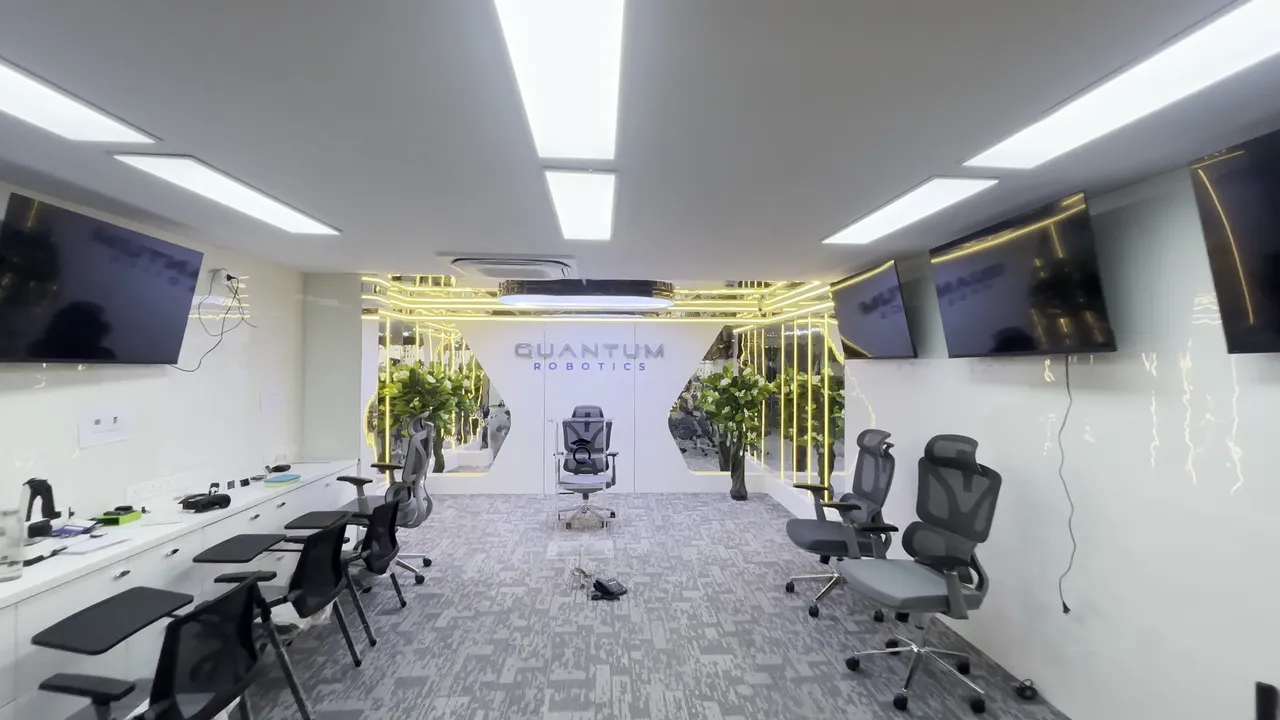
The campus, Jubilee Hills.
Classrooms, a robotics lab and rooms named after the pioneers. Inaugural batches sit here in person.


Ready to join the next batch?
Train the way Hyderabad hires: project-first, certification-aligned and reviewed by people who do this for a living.
Book a free demo