AI, Edge AI with Integrated Robotics
This course helps you move from AI fundamentals to building intelligent systems using Edge AI and applying them to real-world robotics.
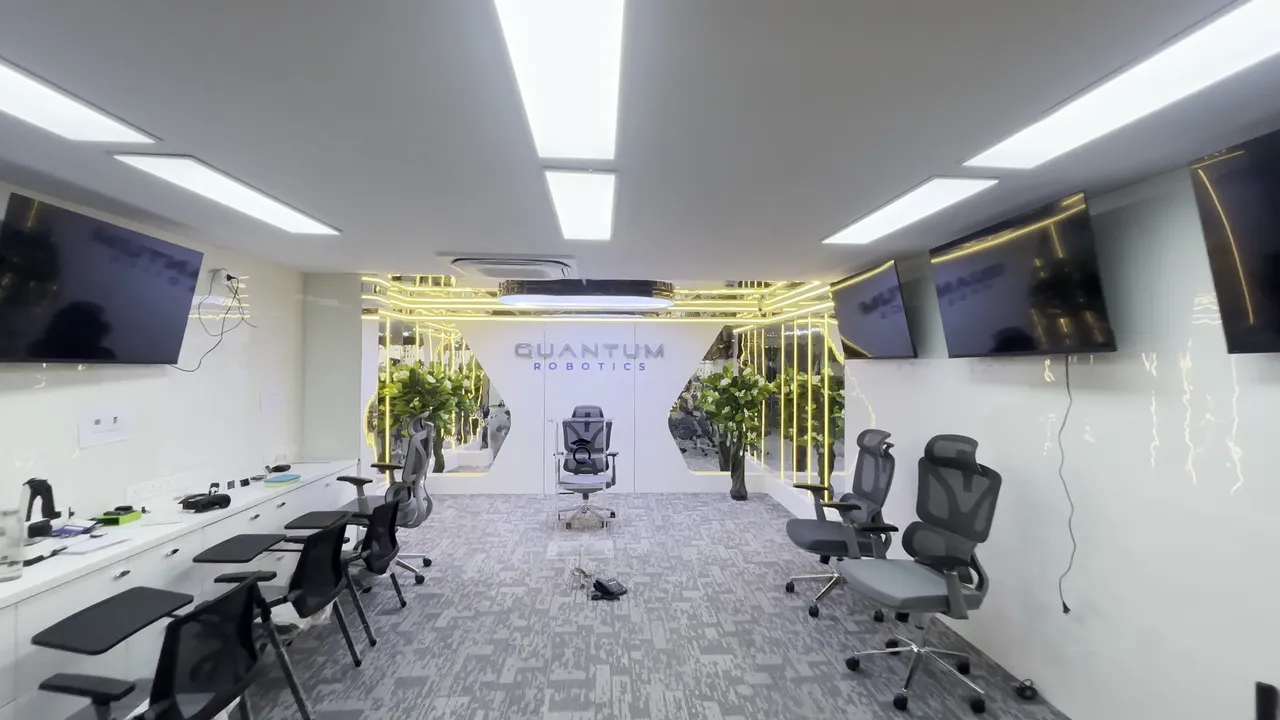
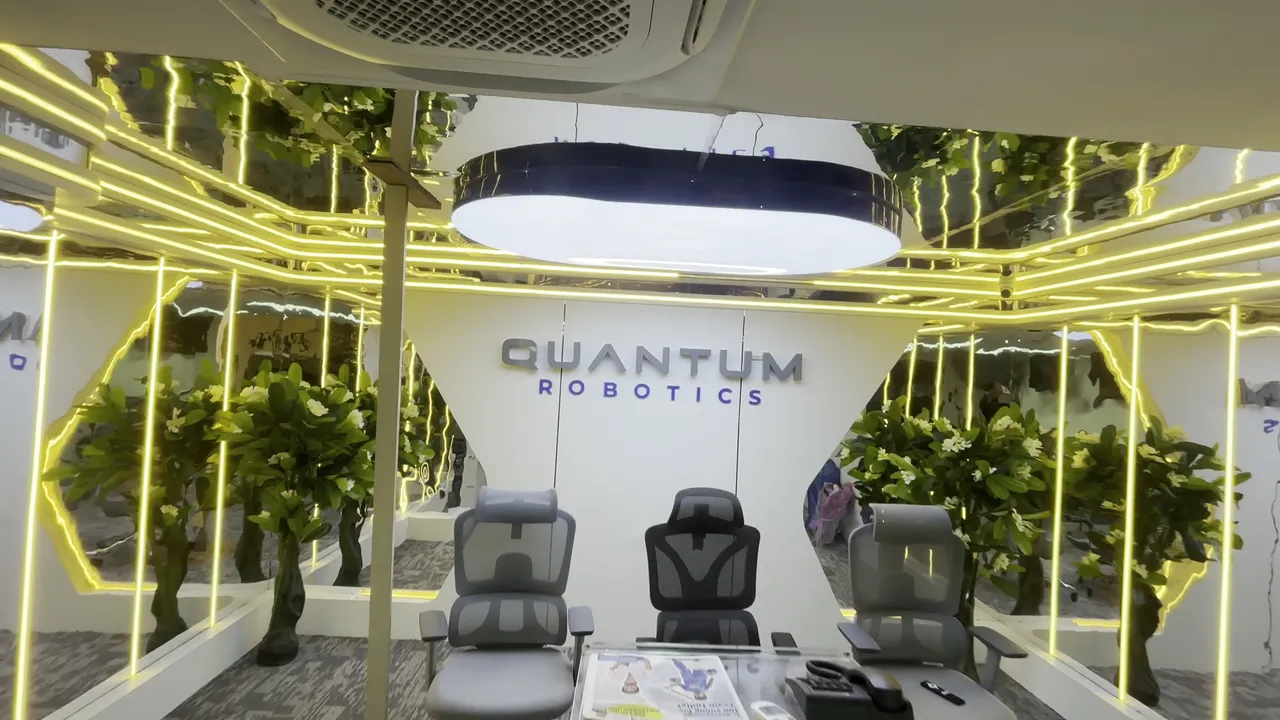
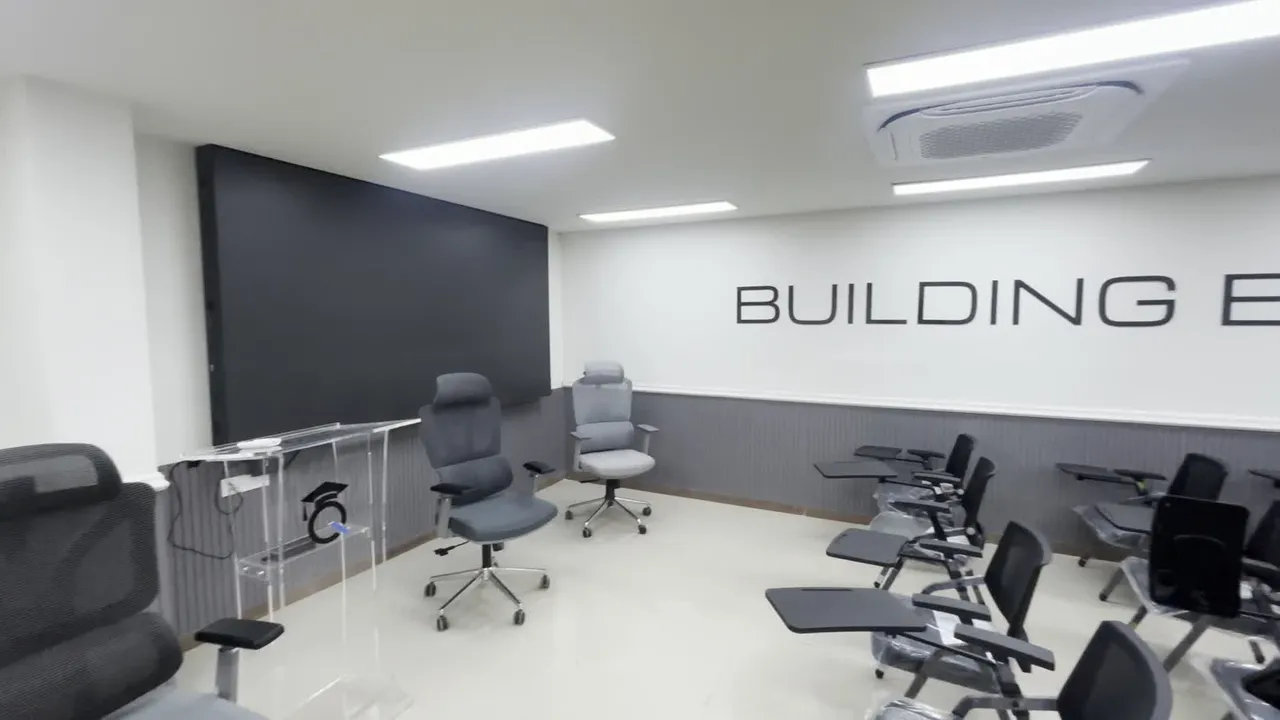
Taught in person at Jubilee Hills, Hyderabad. How to reach us
The curriculum
11 Modules · Teaching Weeks 1-24
- Introduction to Artificial Intelligence-AI
- Introduction to Machine Learning-ML
- Introduction to Deep Learning-DL
- Perceptron and Multilayer Perceptron-MLP
- Artificial Neural Networks
- Shallow and Deep Neural Networks
- Supervised Learning and Unsupervised Learning
- Training and Inference
- Applications
- Introduction to Reinforcement Learning-RL
- Fundamentals of Python Programming Language
- Functions and User Defined Functions
- Libraries for Data Science and Deep Learning
- Available Programs and Licenses
- Advantages of LLMs for Python Programming
- Graphical User Interface
- Technical Computing
- Building Artificial Neural Network with Python
- 1D, 2D, 3D Signals
- Sensor specifications
- Sensor sensitivity
- Sensor limitations
- Accelerometers
- Gyroscopes
- Magnetometer
- Pressure Sensors
- Other Sensors used in Robotics
- Python and OpenCV
- Digital Image Processing
- Types of Images
- Conversion
- Digital Image Filters
- Camera and Specifications
- Computer Vision
- Object Location Identification
- Convolutional Neural Networks
- Feature Extraction using Kernels
- Important Layers in Deep Learning
- Different Standard DL Architecture
- Training and Inference
- Microphone
- Microphone in Cameras
- Digital Signal Processing
- Understanding Features of the Audio
- Array of Microphones
- Recording Multi Track Audio
- AI Implementation
- RADAR, Movement Identification
- Depth Camera
- RGB vs Depth Camera
- Integrating RGB and Depth Information
- Time of Flight
- LIDAR and Point Cloud (PC)
- Object Identification in Point Cloud
- Distance Measurement
- Depth Camera and LIDAR in Robotics
- Why and when to use Edge AI
- AI for Physical Devices
- Zero Latency and Great Reliability
- Enhanced Privacy and Security
- Applications and Challenges
- Future of Edge AI
- Internet of Things-IoT
- Integrating AI and IOT
- Comparison between CPU, GPU, TPU and NPU
- Necessity of Neural Processing Unit
- AI Operations and NPU Real Time AI Operations
- Low Power Consumption for Battery Operated Systems
- On Device Training
- Challenges and Limitations
- Future of NPU
- Ground Vehicles
- Sensors and Hardware of Ground Vehicles
- Identification of approaching and receding targets
- Depth information from navigation
- Path finding and localization
- Pedestrian identification
- Discussion on Self-Driving Car
- Sensors and Hardware of Quadrupedal Robots
- Anatomy and Gait
- Sensors and AI Implementation
- Battery Power Requirement and Challenges
- Industrial Applications of Quadrupedal Robots
- Sensors and Hardware of Humanoid Robots
- Anatomy and Gait
- Sensors and Power Requirement
- Applications
- Future of Quadrupedal and Humanoid Robots
- Soft Robotics
- Primary Materials used to make the robot flexible and deformable
- Pneumatic and Hydraulic Actuation
- Degrees of Freedom
- Human Safety and Applications of Soft Robots
- Minor Project: Design, Development, and Implementation
- Major Project: Real-World Robotics and AI Application
The course finishes with twenty-four weeks of teaching and a minor and a major project. A four-month Employment Training Programme of real-time project work is available after that as an add-on, on merit basis.
Additional skills training
Along with the technical curriculum, every learner gets dedicated training in professional and career skills.
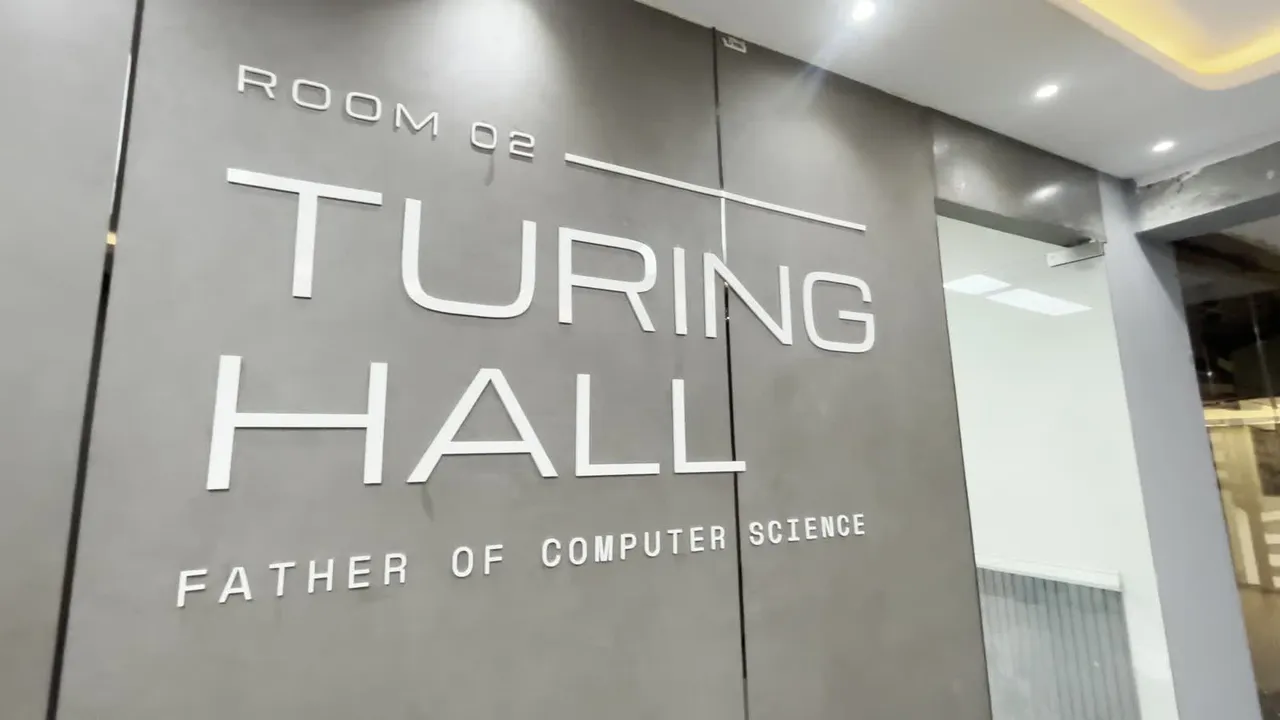
The campus, Jubilee Hills.
Classrooms, a robotics lab and rooms named after the pioneers. Inaugural batches sit here in person.
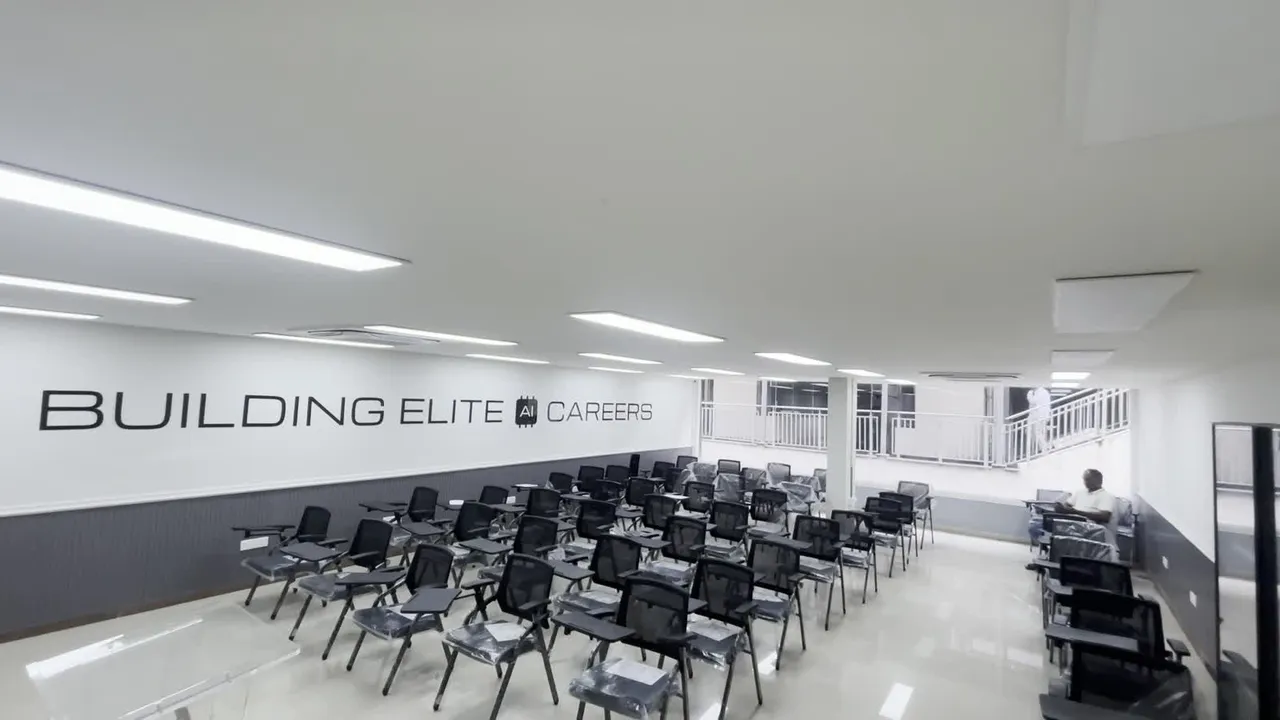
Ready to join the next batch?
Train the way Hyderabad hires: project-first, certification-aligned and reviewed by people who do this for a living.
Book a free demo